


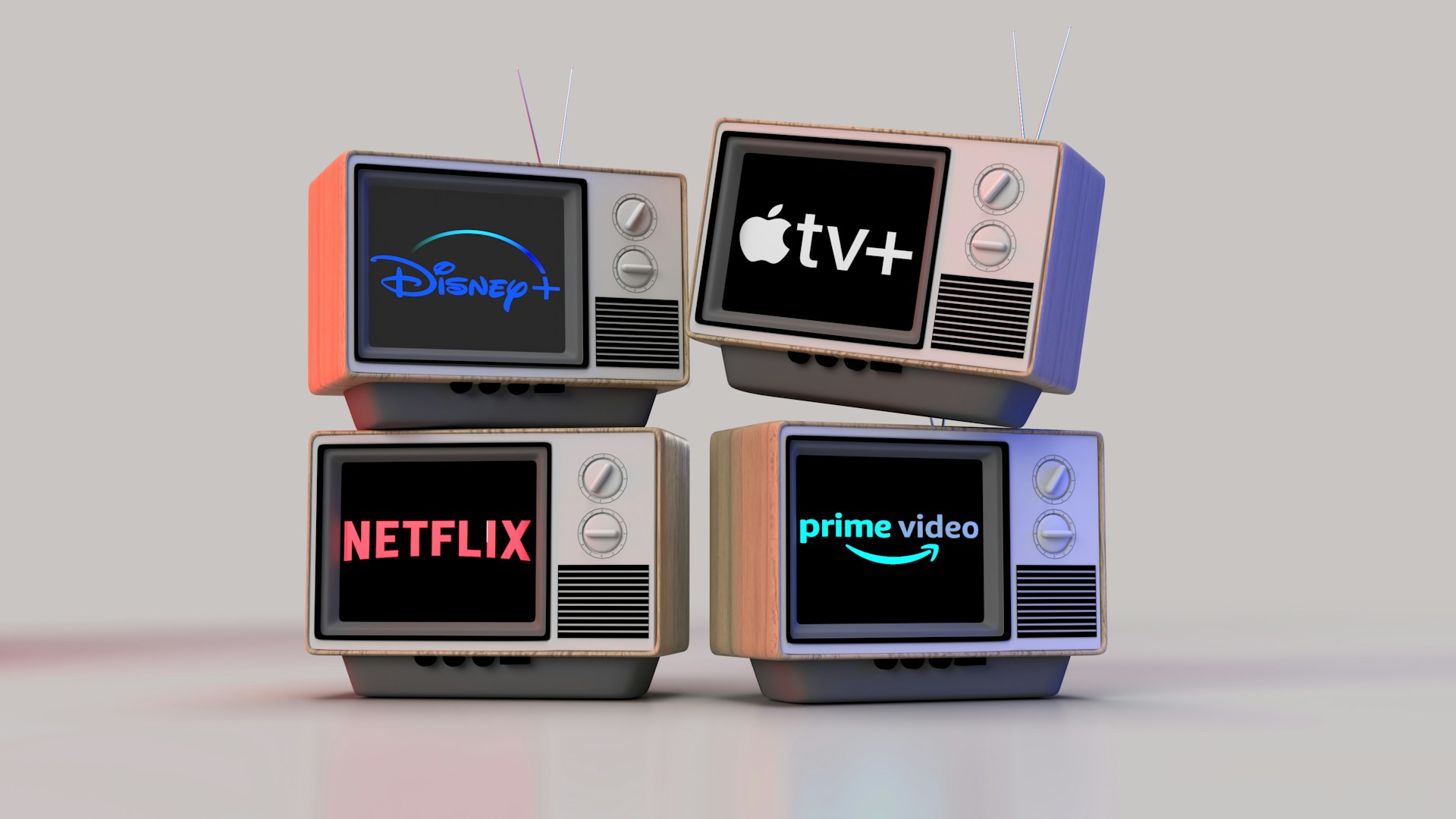
Not long ago, streaming was the simpler, cheaper alternative to cable. For a modest monthly fee, you could access a vast library of shows and movies without contracts, hidden fees, or bulky equipment. It felt like a revolution.
Fast forward to today, and many people are starting to question whether streaming still delivers on that promise. Subscriptions are piling up, prices keep rising, and what once felt like a bargain can now rival—or even exceed—the cost of traditional cable.
So what changed? The answer lies in a mix of industry shifts, consumer behavior, and the economics of content in the digital age.
The Rise of Subscription Stacking
One of the biggest reasons streaming feels more expensive is simple: most people no longer subscribe to just one service.
In the early days, a single platform offered a wide variety of content. Now, that content is spread across multiple services, each owned by different media companies. If you want access to all your favorite shows, you may need to subscribe to several platforms at once.
Individually, each subscription might seem affordable. But when you start stacking them—one for prestige dramas, another for live sports, another for kids’ content—the total monthly cost can quickly climb.
What used to be a $10 decision can quietly turn into $60, $80, or more per month.
Content Fragmentation: Everyone Wants Their Own Platform
Behind subscription stacking is a broader trend: content fragmentation.
Major media companies realized that instead of licensing their shows to a single platform, they could launch their own streaming services and keep more of the profits. As a result, popular content has been pulled from shared platforms and redistributed across a growing number of exclusive ecosystems.
This means viewers can no longer rely on one or two services to meet all their needs. Instead, they have to follow the content wherever it goes—and often pay for the privilege.
In a way, this mirrors the old cable model, where channels were bundled together. The difference is that now, the burden of bundling has shifted to the consumer.
Price Increases Are Becoming the Norm
Streaming services didn’t stay cheap forever. As competition intensified and production costs soared, platforms began raising prices.
Original content—especially high-quality series and blockbuster films—is expensive to produce. To attract and retain subscribers, companies are investing billions into exclusive programming. Those costs eventually get passed on to users.
What’s changed is how frequently prices are going up. Many services have introduced multiple price hikes over just a few years, gradually eroding the affordability that once defined streaming.
At the same time, new pricing tiers have emerged, often nudging users toward higher-cost plans for better features.
The Ad-Supported Comeback
Another shift that surprises many viewers is the return of ads.
Streaming originally stood out because it offered an ad-free experience. Now, many platforms have introduced lower-cost tiers that include advertisements, while reserving ad-free viewing for more expensive plans.
In effect, consumers are being asked to choose: pay more to avoid ads, or pay less and accept interruptions—much like traditional television.
For some, this feels like paying twice: once with money, and again with attention.
Add-Ons, Rentals, and Hidden Costs
Beyond base subscriptions, there are additional costs that can make streaming feel more expensive than expected.
Some platforms charge extra for premium content, early releases, or live events. Others offer add-on channels or bundles that increase the monthly total. Even within a single service, not everything may be included in the standard subscription.
These incremental costs can be easy to overlook at first, but they add up over time—especially for households trying to replicate the breadth of content they once had with cable.
The Loss of the “All-in-One” Experience
Cable wasn’t perfect, but it did offer a certain convenience: one bill, one interface, and access to a wide range of channels.
Streaming, by contrast, often requires juggling multiple apps, logins, and payment cycles. This fragmentation doesn’t just make things more complicated—it also makes it harder to keep track of spending.
Without a single, consolidated view, it’s easy to underestimate how much you’re actually paying each month.
Ironically, as streaming services experiment with bundles and partnerships, the industry is starting to resemble cable again—just delivered through the internet instead of a set-top box.
Password Sharing Crackdowns
For years, password sharing helped keep costs down for many users. Splitting a subscription among friends or family made streaming even more affordable.
Recently, however, many platforms have begun cracking down on this practice, introducing stricter account rules and additional fees for extra users.
While this makes sense from a business perspective, it effectively raises the cost per household, contributing to the feeling that streaming is becoming less economical.
Why It Feels Worse Than It Is
Interestingly, streaming doesn’t always cost more than cable in absolute terms—but it often feels like it does.
Part of that comes down to perception. Cable bills were typically bundled and predictable, even if they were high. Streaming costs, on the other hand, are distributed across multiple services and can fluctuate over time.
There’s also the expectation factor. Streaming was introduced as a cheaper, simpler alternative. As prices rise and complexity increases, it feels like a broken promise—even if the total cost is still comparable.
Finding a Better Balance
For consumers, the key to managing streaming costs is being more intentional about subscriptions.
Rotating services—subscribing to one platform for a month, then switching to another—can help reduce expenses. Taking advantage of bundles or annual plans may also offer savings.
Most importantly, it helps to regularly review which services you actually use. It’s easy to keep paying for subscriptions out of habit, even when you’re not actively watching them.
