


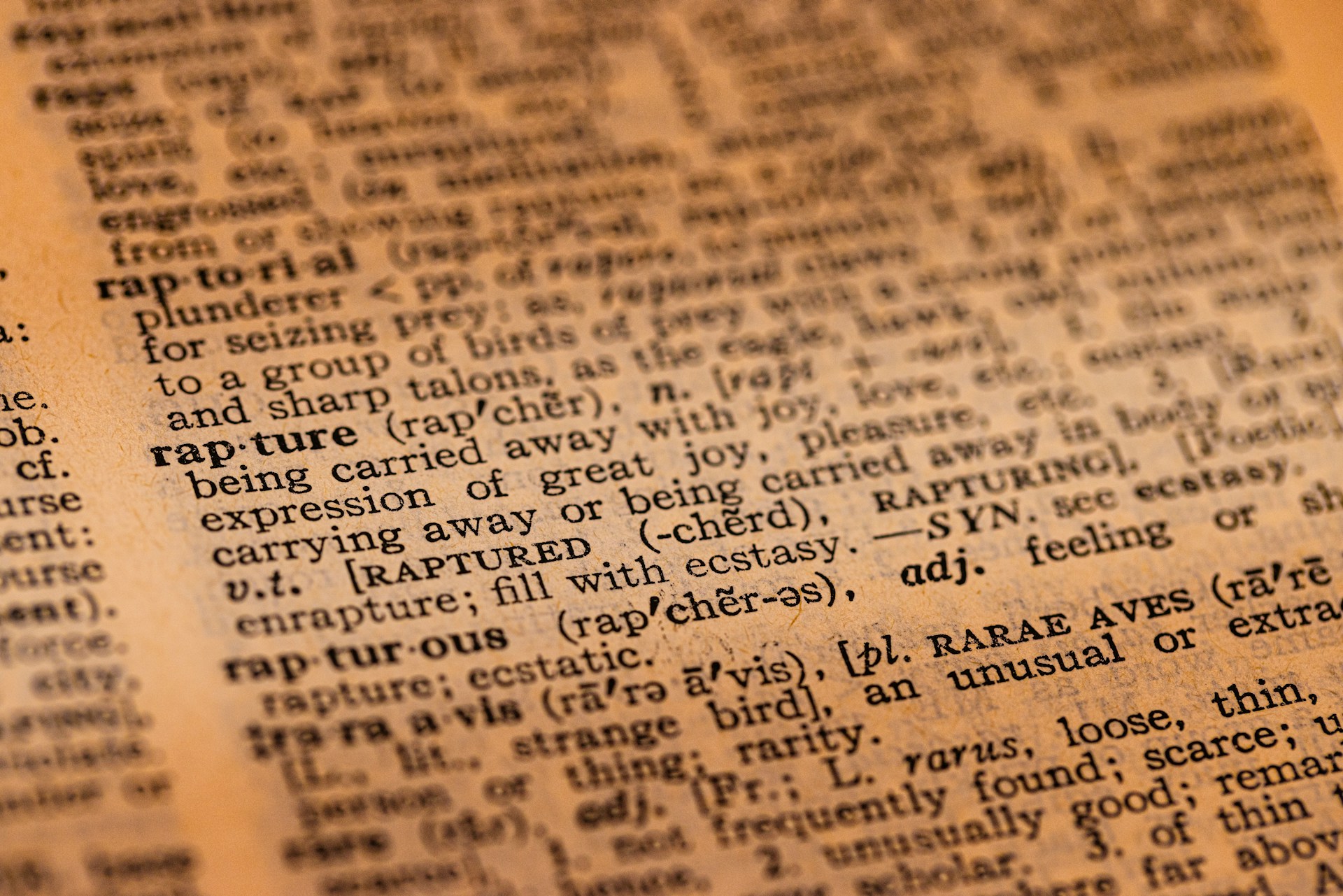
A recent trend on TikTok, dubbed ‘RaptureTok,’ captivated millions as users across the platform anticipated what they believed was a biblical doomsday. While the predicted date came and went without incident, the phenomenon offers a compelling case study in how social media can amplify niche beliefs, creating widespread cultural moments. This analysis explores the origins of RaptureTok, the factors behind its viral spread, and its broader implications.
The Genesis of a Prophecy
The RaptureTok trend centered on a prediction that the biblical Rapture would occur between September 23 and 25, 2025. This theory appears to have originated with Joshua Mhlakela, a South African pastor who shared his prophecy with “100% confidence” during a June interview on the religious YouTube channel Centtwinz TV. Mhlakela claimed that on this date, true believers would ascend to heaven, leaving the rest of the world to face an apocalypse.
While doomsday predictions are not new, the rapid dissemination of this specific theory was unique. Thanks to TikTok’s powerful algorithm, Mhlakela’s prophecy was lifted from a niche religious community and placed in front of a global audience. The result was a massive surge in online interest; Google Trends reported a 1,000% increase in searches for the word “rapture” during the predicted time frame, and the #rapture hashtag accumulated over 290,000 posts on TikTok.
The Psychology Behind the Viral Spread
Several societal and psychological factors fueled RaptureTok’s journey into the mainstream.
- In-Group and Out-Group Dynamics: Landon Schnabel, an associate professor of sociology at Cornell University, notes that Rapture beliefs foster strong in-group and out-group dynamics. For believers, the prophecy represents a form of special knowledge, reinforcing their identity and sense of moral superiority. This feeling is often strengthened when faced with external skepticism or mockery, which can be interpreted as the persecution they expect from an unbelieving world.
- The Power of Memes and Humor: The trend was not solely driven by believers. A significant portion of the content under the #rapture hashtag consisted of jokes, sketches, and memes. This “meme-ification” of the Rapture made the topic accessible and shareable for a wider audience, including skeptics and the non-religious. Even major media outlets like “The Daily Show” joined in, poking fun at the theory and further propelling it into the cultural conversation.
- Community and Shared Belief: For those who genuinely believed, the trend created a digital community. Creators like Melissa Johnston in Colorado made flowcharts for those “left behind,” while De’Mico Harden in Chicago documented “signs” of the impending event. These shared activities built social bonds that, for many, proved more durable than the prediction itself.
The Aftermath and Cultural Impact
When the predicted dates passed uneventfully, the reactions were varied. Some creators who had promoted the theory, like TikToker AveragePickleballGuy, issued public apologies for spreading misinformation. Others called for Pastor Mhlakela to admit he was wrong.
However, a segment of the believer community remained steadfast. As Schnabel explains, public mockery can strengthen commitment by confirming a persecution narrative. The social connections forged around the shared belief often outweigh the failure of the prophecy. Australian TikToker Tilahun Desalegn, who reportedly sold his car in anticipation of the event, summarized this sentiment in a follow-up video, stating, “At this point, I’ve got nothing to lose but to continue to believe.”
This event joins a long list of doomsday predictions that have captured public attention, from the Y2K bug in 2000 to the Mayan calendar apocalypse theory in 2012. What distinguishes RaptureTok is the speed and scale at which it spread, demonstrating the unique power of modern social media platforms.
How Social Media Amplifies Niche Beliefs
The RaptureTok phenomenon highlights a key function of platforms like TikTok: their ability to rapidly transform niche ideas into mainstream trends. An algorithm designed for engagement can take a prediction from a relatively unknown pastor and broadcast it to millions of people in a matter of hours. This process bypasses traditional gatekeepers like mainstream media, allowing theories to go viral before they can be thoroughly vetted or contextualized.
The result is a dynamic where belief, satire, and genuine curiosity blend into a massive, multifaceted conversation. RaptureTok serves as a clear example of how modern digital platforms are reshaping the way information—and misinformation—spreads, creating shared cultural experiences out of once-isolated beliefs.




One Comment