
If it seems like the world has become more polarized in recent years, you’re not imagining it. Across politics, culture, and even everyday conversations, divisions feel sharper, louder, and more personal than they used to. While disagreement has always been part of society, something about the current moment makes those disagreements feel more entrenched—and harder to bridge.
Understanding why this shift has happened requires looking at a mix of technological, political, and social changes that have reshaped how we communicate, what we see, and how we relate to one another.
The Algorithm Effect: How Social Media Amplifies Division
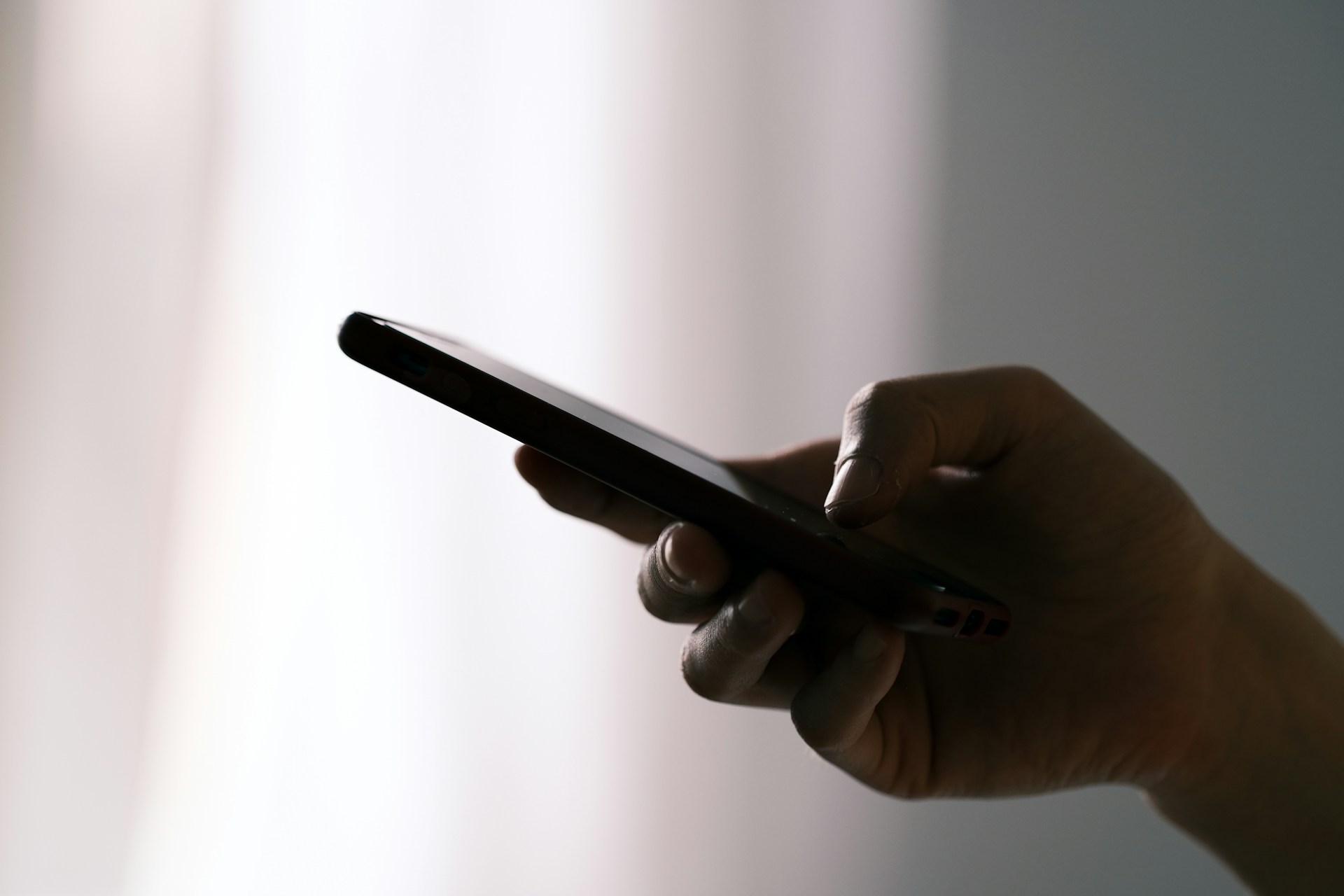
One of the most significant drivers of modern polarization is the rise of social media platforms and the algorithms that power them. These systems are designed to maximize engagement—keeping users scrolling, reacting, and sharing for as long as possible.
The problem is that emotionally charged content tends to perform best. Posts that provoke anger, outrage, or fear are more likely to be shared and commented on, which signals to the algorithm that they’re worth promoting. Over time, this creates a feedback loop where the most extreme or divisive content rises to the top.
Even more subtly, algorithms tend to show users content that aligns with what they’ve already engaged with. This creates what’s often called an “echo chamber,” where people are repeatedly exposed to similar viewpoints while rarely encountering opposing perspectives in a meaningful way. The result isn’t just disagreement—it’s a growing sense that “the other side” is not only wrong, but incomprehensible.
Politics as Identity: The Shift Toward Us vs. Them
Political division itself isn’t new, but the way people relate to politics has changed. Increasingly, political beliefs are tied to identity—how people see themselves and their place in the world.
During the presidency of Donald Trump, political rhetoric often leaned into this dynamic. Language that framed issues in stark, adversarial terms—us versus them, insiders versus outsiders—resonated strongly with many supporters while deeply alienating others. This style of communication didn’t just reflect division; it intensified it by encouraging people to see political opponents not simply as people with different opinions, but as threats to their way of life.
At the same time, reactions to that rhetoric were equally strong. Critics responded with urgency and alarm, further reinforcing the sense that the stakes were existential. When both sides feel that fundamental values are under attack, compromise becomes much harder to achieve.
The Loneliness Factor: Isolation Breeds Extremes
Another less obvious contributor to division is the rise in loneliness and social isolation. Over the past few decades, many traditional forms of community—local organizations, religious institutions, neighborhood networks—have weakened. People are spending more time alone, and less time engaging in face-to-face interactions with those around them.
This matters because real-world relationships tend to soften differences. It’s harder to demonize someone you know personally, even if you disagree with them. Online, however, interactions are often abstract and impersonal. Without the grounding influence of real relationships, it becomes easier to adopt more rigid or extreme views.
Isolation also makes people more susceptible to communities that offer a strong sense of belonging—even if those communities are built around shared grievances or hostility toward others. In this way, loneliness can indirectly fuel polarization by pushing individuals toward more insular and ideologically uniform groups.
The Speed of Information—and Misinformation
The modern information environment moves at an unprecedented pace. News spreads instantly, often before it’s fully verified, and misinformation can travel just as quickly—sometimes faster.
When people are constantly exposed to conflicting or misleading information, trust begins to erode. Not just trust in media, but in institutions, experts, and even each other. As trust declines, people become more likely to rely on sources that confirm their existing beliefs, further deepening divides.
Additionally, the sheer volume of information can be overwhelming. Faced with complexity, many people gravitate toward simpler narratives that clearly identify heroes and villains. These narratives are often more divisive by nature, reducing nuanced issues into binary choices.
Economic Anxiety and Cultural Change
Economic uncertainty and rapid cultural shifts also play a role. When people feel that their financial stability or social status is under threat, they’re more likely to seek clear explanations—and sometimes, clear scapegoats.
Globalization, automation, and changing job markets have left many communities feeling left behind. At the same time, cultural norms around identity, race, gender, and values have evolved quickly, sometimes creating a sense of disorientation or loss for those who feel disconnected from these changes.
When economic and cultural anxieties intersect, they can intensify divisions, especially when political narratives frame these changes as a zero-sum struggle between competing groups.
Media Fragmentation: No Shared Reality
In the past, large segments of the population consumed the same news sources, creating at least a baseline of shared facts. Today, media is highly fragmented. People can choose from thousands of outlets, many of which cater to specific ideological audiences.
This means that two people can follow the same event and come away with entirely different understandings of what happened—and what it means. Without a shared foundation of information, even basic conversations can become difficult, as participants aren’t just disagreeing on opinions, but on reality itself.
Why It Feels Worse Than Before
It’s worth noting that division isn’t necessarily new—it just feels more intense. Several factors contribute to that perception:
- Visibility: Social media exposes us to more opinions than ever before, including extreme ones that might have once remained on the fringes.
- Frequency: We’re constantly connected, meaning we encounter disagreement more often throughout the day.
- Personalization: Because content is tailored to us, it often feels more relevant—and more provocative.
Together, these factors create the sense that division is everywhere, all the time.
Can Anything Be Done?
While the forces driving division are complex, they’re not inevitable or irreversible. Small shifts can make a difference:
- Seeking out diverse perspectives, even when it’s uncomfortable
- Prioritizing in-person relationships and conversations
- Being more critical of emotionally charged content online
- Focusing on shared values rather than differences
None of these steps will eliminate division entirely, but they can help reduce its intensity and make space for more constructive dialogue.
A More Nuanced Reality
Despite how it feels, most people still share many common goals—security, opportunity, fairness, and a sense of belonging. The challenge is that these shared desires are often overshadowed by the systems and narratives that highlight conflict instead.
Recognizing the forces that amplify division is a first step toward navigating them more thoughtfully. The world may be more connected than ever, but connection doesn’t automatically lead to understanding. That still requires effort, curiosity, and a willingness to see beyond the noise.